


 |
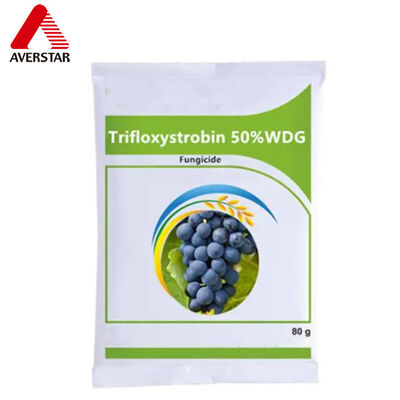
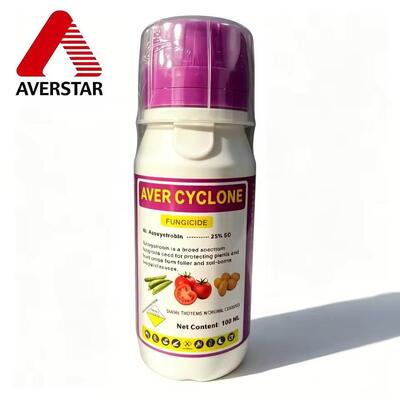
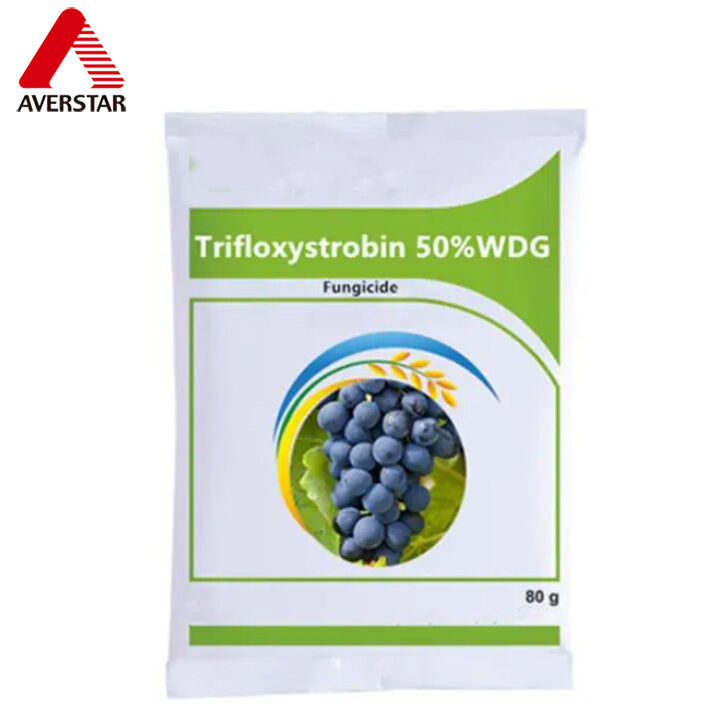
Azoxystrobin 50% SC Fungicide | Manufacturer & Supplier
Product Details:
| Place of Origin: | Shenzhen,Guangdong,China |
| Brand Name: | AVERSTAR |
| Certification: | COA,MSDS,ISO9001 |
| Model Number: | Azoxystrobin 50% SC |
Payment & Shipping Terms:
| Minimum Order Quantity: | 1000kg |
|---|---|
| Price: | $1-$10 |
| Packaging Details: | 20g,100g,500g,1kg,5kg,25kg |
| Delivery Time: | 3-5weeks |
| Payment Terms: | L/C,D/A,D/P,T/T |
| Supply Ability: | 10000kg |
|
Detail Information |
|||
| Brand: | AVERSTAR | Product Name: | Azoxystrobin |
|---|---|---|---|
| CAS_No: | 131860-33-8 | Molecular Formula: | C22H17N3O5 |
| Molecular Weight: | 403.39 | EINECS_No: | 204-037-5 |
| Mol: | 131860-33-8.mol | ||
Product Description
Fungal diseases are among the major challenges affecting crop production worldwide. From leaf spots and rusts to powdery mildew and certain blight diseases, fungal pathogens can reduce crop quality, limit productivity, and increase production costs.
Azoxystrobin 50% is a concentrated fungicide formulation containing azoxystrobin, a broad-spectrum active ingredient belonging to the strobilurin group of fungicides. It is widely recognized for its preventive activity against a range of economically important fungal diseases.
For agricultural distributors, pesticide importers, and crop protection professionals, understanding the characteristics, applications, and resistance management requirements of Azoxystrobin 50% is essential when evaluating fungicide products for different markets.
Azoxystrobin is a synthetic fungicidal active ingredient classified as a quinone outside inhibitor (QoI). It belongs to FRAC Group 11, a category of fungicides that inhibit mitochondrial respiration in susceptible fungal pathogens.
Azoxystrobin is used in crop protection programs for various agricultural crops, depending on the approved product label and local registration requirements.
The designation "50%" indicates the nominal concentration of the active ingredient in the formulated product. However, the exact concentration basis, formulation type, and physical characteristics must be confirmed from the product specification.
Common azoxystrobin formulation technologies include suspension concentrates (SC) and water-dispersible granules (WG/WDG), although availability varies by concentration and market.
Azoxystrobin controls susceptible fungal pathogens by interfering with their energy production processes.
Specifically, the active ingredient binds to the Qo site of the cytochrome bc1 complex in fungal mitochondria, interrupting electron transport and reducing ATP production.
Because ATP is essential for cellular activity, this disruption inhibits important stages of fungal development.
The fungicidal activity of azoxystrobin includes:
Inhibition of spore germination in susceptible pathogens.
Suppression of early fungal development and infection.
Reduction of fungal growth and disease progression under suitable application conditions.
Preventive protection when applied before significant infection occurs.
Azoxystrobin is primarily valued for its preventive activity. Although it can provide some activity against early infections, it should not be relied upon to reverse advanced disease symptoms or restore already damaged plant tissue.
The active ingredient also exhibits translaminar movement and systemic activity in certain plant tissues, contributing to its protective performance.
Azoxystrobin has activity against a range of fungal pathogens, including certain diseases caused by Ascomycetes, Basidiomycetes, and some oomycete pathogens.
Its actual control spectrum depends on the crop, pathogen sensitivity, formulation, application timing, and local registration.
In cereals such as wheat and barley, azoxystrobin-based fungicides may be used against selected foliar diseases, including certain rusts, leaf spots, and blotches.
Effective disease management depends on early identification, application timing, and the use of appropriate resistance management strategies.
Azoxystrobin is used in some markets as part of rice disease management programs.
Depending on local registrations, applications may target diseases such as rice blast and sheath blight.
Disease pressure, weather conditions, and the sensitivity of local pathogen populations should be considered when selecting a treatment program.
Vegetable production systems are frequently affected by fungal diseases under humid conditions.
Azoxystrobin-containing products may be registered for the management of selected diseases affecting tomatoes, peppers, cucurbits, and other vegetables.
Potential target diseases include certain powdery mildews, leaf spots, and blight diseases, subject to the approved crop and disease claims.
In selected fruit production systems, azoxystrobin may contribute to the management of fungal diseases that affect foliage and fruit quality.
Applications must follow crop-specific restrictions, including permitted treatment timing, maximum application frequency, and pre-harvest intervals.
Azoxystrobin is also used in certain field crop disease management programs.
Depending on the registered product, target diseases may include selected foliar leaf spots and other susceptible fungal infections.
Important: These examples describe the broader agricultural uses of azoxystrobin. They do not establish approved uses for every Azoxystrobin 50% formulation. Always refer to the locally registered product label.
Azoxystrobin is active against multiple groups of fungal pathogens, making it a useful component of disease management programs where the target pathogens are susceptible.
The fungicide performs particularly well when applied preventively or during the early stages of disease development, before infections become severe.
Azoxystrobin is used across a variety of agricultural production systems, although approved uses vary by country, crop, and formulation.
When used appropriately, azoxystrobin can form part of integrated disease management strategies combining resistant crop varieties, crop rotation, field sanitation, disease monitoring, and fungicide programs.
A 50% formulation provides a relatively high concentration of active ingredient. Its handling characteristics, dispersion properties, storage stability, and application requirements depend on the formulation technology.
Resistance management is one of the most important considerations when using azoxystrobin.
As a FRAC Group 11 fungicide, azoxystrobin has a specific biochemical target. Repeated exposure can select resistant fungal populations, potentially reducing field performance.
Cross-resistance among QoI fungicides is also an important concern.
To help preserve fungicide effectiveness, growers and agricultural professionals should follow established resistance management principles:
Avoid repeated, exclusive use of FRAC Group 11 fungicides.
Rotate with effective fungicides from different mode-of-action groups.
Use suitable mixtures with effective partners from different FRAC groups when permitted by the label.
Follow crop-specific limits on the number and proportion of QoI applications.
Apply preventively or early in disease development, according to label instructions.
Combine chemical treatments with nonchemical disease management practices.
Resistance management recommendations should be adapted to local pathogen populations, crop conditions, and the latest FRAC guidance.
The effectiveness of Azoxystrobin 50% depends not only on the active ingredient but also on correct application practices.
Before using the product, agricultural professionals should consider several factors.
Application timing: Preventive treatments or applications at the earliest stages of disease development generally provide the most reliable performance.
Spray coverage: Appropriate equipment calibration and sufficient coverage are important for effective disease management.
Environmental conditions: Rainfall, temperature, humidity, and disease pressure can influence treatment performance.
Formulation compatibility: Tank mixtures should only be prepared when permitted by the product label and supported by compatibility information.
Safety and compliance: Users must follow the registered label, including personal protective equipment requirements, re-entry intervals, pre-harvest intervals, and environmental precautions.
Application rates should never be determined solely from the active ingredient concentration. They must be based on the registered product label for the specific crop and target disease.
For pesticide distributors and importers, product selection involves more than comparing prices.
Several technical and commercial factors should be reviewed before placing an order.
The physical and chemical characteristics of the formulation can affect handling, storage, and application performance.
Depending on the formulation type, important quality parameters may include active ingredient content, suspension stability, dispersibility, particle size, pH, and storage stability.
Importers should request relevant documentation, which may include:
Product specification or technical data sheet (TDS).
Safety data sheet (SDS).
Certificate of analysis (COA).
Formulation and packaging information.
Registration-support documentation, where available.
Suitable packaging should protect the product during transportation and storage while meeting applicable regulatory requirements.
Packaging selection may depend on local distribution channels, product formulation, and customer preferences.
Pesticide registration requirements differ across countries.
Importers should verify whether the specific Azoxystrobin 50% formulation can be registered, imported, distributed, and sold in the destination market.
The active ingredient's approval in one country does not automatically authorize the sale of every formulation or concentration.
AVERSTAR serves international agricultural markets with crop protection product sourcing and commercial supply services.
For customers evaluating Azoxystrobin 50%, important considerations include formulation specifications, packaging requirements, destination-market regulations, and order quantities.
Our team can discuss product requirements with agricultural importers, distributors, and business partners to support their purchasing evaluations.
Customers interested in Azoxystrobin 50% are encouraged to provide their target formulation, destination country, preferred packaging, and estimated purchasing quantity when requesting a quotation.
Yes. Azoxystrobin exhibits systemic and translaminar movement in plants, although its distribution and performance depend on the crop, formulation, and application conditions.
Azoxystrobin has activity against certain powdery mildew pathogens. However, resistance is a significant concern in some pathogen populations, and effectiveness depends on local sensitivity and approved product uses.
Azoxystrobin may have some activity during early infection stages, but it is primarily recommended for preventive disease management. It cannot repair damaged plant tissue, and established infections may require different management approaches.
Azoxystrobin belongs to FRAC Group 11, the quinone outside inhibitor (QoI) fungicides.
SC refers to suspension concentrate, a liquid formulation containing suspended solid active ingredient particles.
WG refers to water-dispersible granules, a solid formulation designed to disperse in water before application.
Their storage, handling, concentration expression, and application preparation requirements may differ.
To request a quotation, provide the required formulation, packaging size, destination port, estimated order quantity, and any applicable registration or documentation requirements.
Azoxystrobin 50% is a concentrated fungicide option based on an established FRAC Group 11 active ingredient. Its broad-spectrum preventive activity makes it relevant to agricultural disease management programs where the target pathogens remain susceptible.
Successful use requires correct disease identification, appropriate application timing, resistance management, and compliance with local pesticide regulations.
For agricultural importers and distributors seeking Azoxystrobin 50% fungicide, AVERSTAR welcomes inquiries regarding product specifications, packaging requirements, and international supply arrangements.
Contact AVERSTAR to discuss your Azoxystrobin 50% fungicide requirements and request a quotation.
