


 |
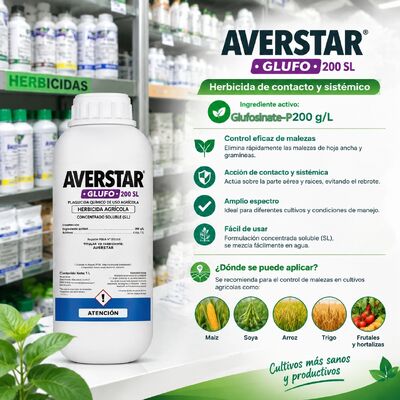
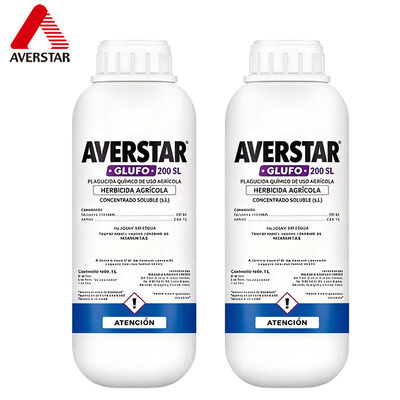
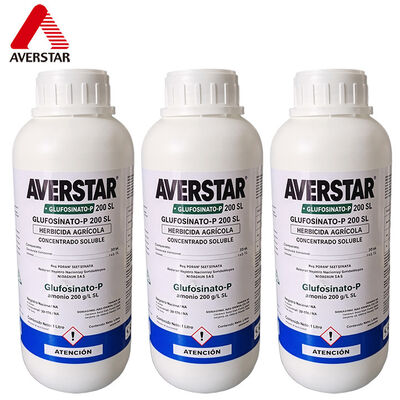
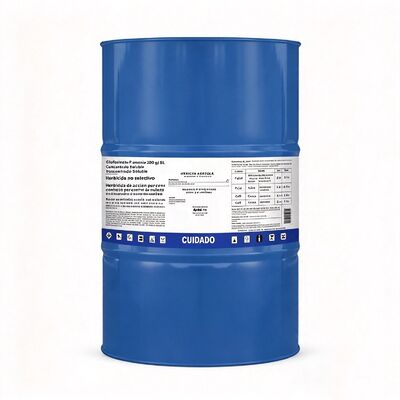
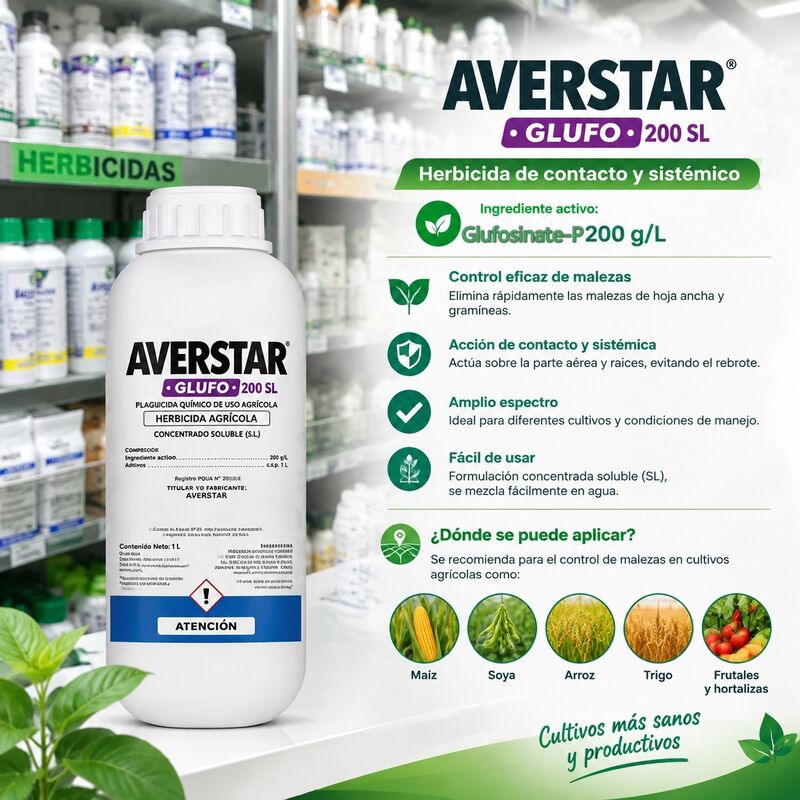
Herbicide Glufosinate-P 200g/L SL Targeted Inter-row Weeding Soybeans, Corn, Cotton
Product Details:
| Place of Origin: | China |
| Brand Name: | Averstar |
| Certification: | MSDS SGS |
| Model Number: | 200g/L |
Payment & Shipping Terms:
| Minimum Order Quantity: | 1000 |
|---|---|
| Price: | 1-10 per liter |
| Packaging Details: | 250ml 500ml 1L 20L |
| Delivery Time: | 15-20 work days |
| Payment Terms: | L/C,T/T |
| Supply Ability: | 100000liter per month |
|
Detail Information |
|||
| Place Of Origin: | China | Purity: | 200g/L |
|---|---|---|---|
| Application: | Herbicide,Agriculture,Weedicide | State: | Liquid,Powder |
| Einecs No.: | N/A | Mf: | C5H13NNaO4P |
| Cas No.: | 70033-13-5 | Other Names: | Glufosinate-P 200g/L SL |
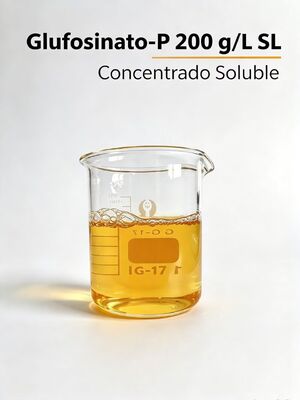
| Classification: | Herbicide | Appearance: | Clear Yellow Liquid |
| Product Name: | Glufosinate-P 200g/L SL | Storage: | 0-6,2-8°C,Dry Place |
| Solubility: | Soluble In Water, | Color: | Yellow |
| Sample: | Availiable | ||
| Highlight: | Glufosinate-P 200g/L SL herbicide,Inter-row weeding herbicide,Herbicide for soybeans corn cotton |
||
Product Description
1. What Is Glufosinate-P 200g/L SL?
Glufosinate-P 200g/L SL is a post-emergence, broad-spectrum herbicide designed for controlling emerged weeds in agricultural fields. It is particularly relevant to weed management in row crops such as soybean, corn and cotton, where weeds growing between crop rows can compete with cultivated plants for sunlight, water and nutrients.
Glufosinate-P is the herbicidally active L-isomer of glufosinate. Unlike conventional racemic glufosinate, which contains both L- and D-isomers, Glufosinate-P is enriched in the herbicidally active isomer.
According to the U.S. Environmental Protection Agency (EPA), Glufosinate-P is an approved herbicide active ingredient for specified uses in conventional and glufosinate-resistant field corn, sweet corn, soybean, cotton and canola in the United States.
Its broad-spectrum weed control properties make it an important option for modern agricultural weed management programs.
2. How Does Glufosinate-P Work?
Glufosinate-P works primarily through foliar absorption and inhibits glutamine synthetase (GS), an important enzyme involved in nitrogen metabolism in plants.
When this enzyme is inhibited, normal plant metabolism is disrupted, ammonia accumulates and photosynthetic processes are impaired. This leads to damage of treated green plant tissues.
Its main characteristics include:
-
Foliar absorption: The herbicide is absorbed mainly through the leaves and other green plant tissues.
-
Contact activity: Weed control primarily occurs in the plant tissues directly exposed to the spray.
-
Broad-spectrum activity: It can control a range of susceptible annual grasses and broadleaf weeds.
-
Post-emergence application: It is intended for treating weeds that have already emerged and are actively growing.
-
Limited translocation: Its movement within plants is limited, making thorough spray coverage important.
Glufosinate-P belongs to HRAC Group 10 herbicides, which inhibit glutamine synthetase.
Because of its different mode of action from many commonly used herbicide groups, it can contribute to integrated weed resistance management when properly rotated with other effective control methods.
3. Why Is Inter-row Weed Control Important in Row Crops?
In soybean, corn and cotton production, weeds do not only emerge within crop rows. They also grow in the spaces between rows, where they can compete with crops throughout the growing season.
Uncontrolled inter-row weeds may:
-
Compete with crops for water, nutrients and sunlight.
-
Interfere with field operations and mechanical cultivation.
-
Increase weed seed production and contribute to future weed infestations.
-
Provide shelter for certain agricultural pests.
-
Make crop management and harvesting more difficult.
Targeted inter-row spraying is one approach to managing these weeds while reducing unnecessary herbicide exposure to the crop.
When permitted by the local product label, Glufosinate-P 200g/L SL can be used with suitable directed-spray equipment to target emerged weeds between crop rows.
4. Application Scenarios in Different Crops
4.1 Soybean Weed Management
Soybean fields can experience significant weed pressure from broadleaf weeds and annual grasses.
Common examples include:
-
Amaranthus species (pigweeds)
-
Chenopodium album (common lambsquarters)
-
Echinochloa species (barnyard grasses)
-
Digitaria species (crabgrasses)
Inter-row weed management can help reduce competition during important soybean growth stages.
For non-glufosinate-tolerant soybean varieties, the spray must be directed away from soybean leaves, stems and growing points. Appropriate shields or hooded spraying equipment may help minimize accidental crop exposure where permitted by the product label.
4.2 Corn Weed Management
Corn fields may contain a mixture of annual grasses and broadleaf weeds, especially in the spaces between planted rows.
Examples include:
-
Amaranthus species
-
Echinochloa crus-galli (barnyardgrass)
-
Setaria species (foxtails)
-
Chenopodium album (common lambsquarters)
Directed inter-row application can be considered as part of an integrated weed management program, particularly when weeds emerge after planting.
Careful nozzle positioning and spray height are important to avoid contact with corn leaves and growing points in conventional, non-tolerant varieties.
4.3 Cotton Weed Management
Cotton is a row crop in which weeds can compete strongly during early crop development.
Typical weed problems may include:
-
Amaranthus species (pigweeds)
-
Cyperus species (sedges)
-
Conyza species (fleabanes)
-
Annual grasses and other broadleaf weeds
Targeted inter-row weed control can help manage emerged weeds in accessible spaces between cotton rows.
For conventional cotton, directed or hooded application is particularly important because Glufosinate-P is non-selective and can injure cotton plants if spray droplets contact susceptible green tissues.
5. Important Application Considerations
Successful weed management depends not only on the active ingredient but also on application timing, weed growth stage and spray coverage.
1. Target young, actively growing weeds
Small, actively growing weeds are generally easier to control than large or mature plants. Weed species and growth stages should always be considered when planning applications.
2. Ensure adequate spray coverage
Since Glufosinate-P is primarily a contact herbicide with limited translocation, sufficient coverage of exposed weed foliage is important.
3. Use suitable directed-spray equipment
Appropriate nozzles, spray shields or hooded equipment can help reduce spray contact with crop foliage during inter-row applications.
4. Avoid unsuitable weather conditions
Rainfall, strong wind and other unfavorable application conditions may reduce treatment performance or increase spray drift and off-target exposure. Follow the product label for weather restrictions and rain-free intervals.
5. Integrate different weed control methods
Chemical weed control should be combined with suitable agronomic practices, including crop rotation, mechanical cultivation and herbicide rotation with different modes of action.
6. Frequently Asked Questions
Q1: What is Glufosinate-P 200g/L SL used for?
It is a post-emergence, broad-spectrum herbicide intended for controlling susceptible emerged weeds. Depending on local registration, application programs may include soybean, corn and cotton production.
Q2: Can Glufosinate-P be used for inter-row weed control?
Inter-row application is a potential use pattern where permitted by the product label. Directed spraying helps target weeds between crop rows while reducing direct exposure to crop foliage.
Q3: Is Glufosinate-P selective or non-selective?
Glufosinate-P is a non-selective herbicide. It can damage susceptible green plants that come into contact with the spray. Crop tolerance depends on the crop variety, resistance trait and registered application method.
Q4: What is the difference between Glufosinate and Glufosinate-P?
Conventional glufosinate generally contains a mixture of L- and D-isomers. Glufosinate-P is enriched in the herbicidally active L-isomer, which allows greater herbicidal efficiency per unit of active ingredient under suitable conditions.
Q5: Does Glufosinate-P provide long-lasting residual weed control?
Glufosinate-P is primarily a foliar post-emergence herbicide, not a residual pre-emergence herbicide. It should not be relied upon to prevent subsequent weed germination and emergence.
7. Why Choose Averstar Glufosinate-P 200g/L SL?
Averstar Industrial Co., Ltd. specializes in the manufacturing and export of agricultural crop protection products, including herbicides, insecticides and fungicides.
We provide customized product solutions for international distributors, agricultural companies and pesticide importers.
Our services include:
-
Customized formulations and product specifications.
-
OEM and private-label packaging solutions.
-
Different packaging sizes for local market requirements.
-
Product documentation and registration support.
-
Professional export services and customer communication.
Whether you are developing a herbicide portfolio for soybean, corn or cotton markets, Averstar welcomes inquiries from agricultural distributors and crop protection companies worldwide.
Contact Averstar for Glufosinate-P 200g/L SL product specifications, packaging options and cooperation details.
Important: Glufosinate-P is a non-selective herbicide. The crop uses and application methods described above are general agronomic information, not universal product label recommendations. Always follow the registered local label, crop-specific directions, protective equipment requirements and applicable regulations. Do not apply directly over conventional, non-tolerant soybean, corn or cotton crops unless specifically authorized by the applicable product label.
Contact us:
whatsapp:+86 15111477103
