


 |
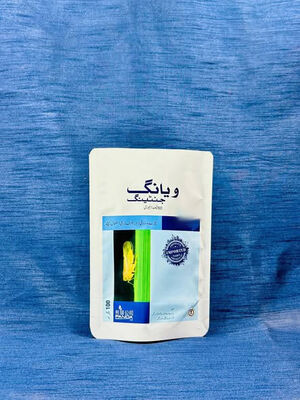
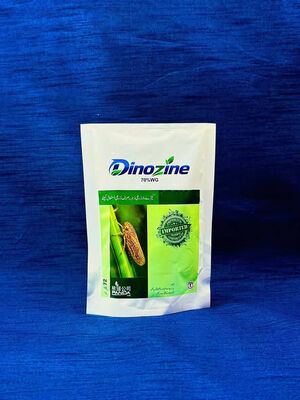
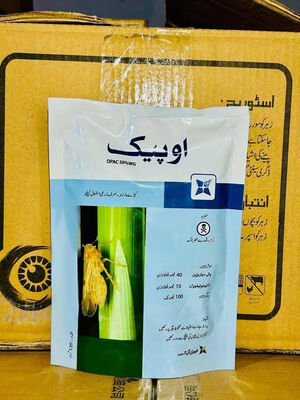
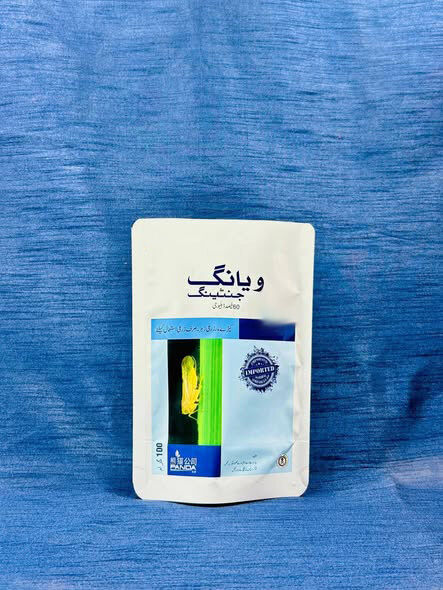
Pymetrozine 50% + Imidacloprid 18% WG Insecticide for Rice Planthoppers Aphids Agricultural Crop Protection
Product Details:
Payment & Shipping Terms:
| Minimum Order Quantity: | 1000kg |
|---|---|
| Price: | $1-$10 |
| Packaging Details: | 50g,100g,250g,1kg,5kg,25kg |
| Delivery Time: | 3-5weeks |
| Payment Terms: | L/C,D/A,D/P,T/T |
| Supply Ability: | 10000kg |
|
Detail Information |
|||
| Brand: | AVERSTAR | Product Name: | Pymetrozine + Imidacloprid Insecticide |
|---|---|---|---|
| Active Ingredients: | Pymetrozine + Imidacloprid | Total Active Content: | 68% |
| Main Action: | Feeding Disruption + Neurotoxic Activity | Target Pests: | Rice Planthoppers, Aphids |
| OEM / ODM: | Subject To Supplier Confirmation | ||
Product Description
Pymetrozine + Imidacloprid Insecticide – Dual-Action Protection Against Rice Planthoppers and Aphids
Introduction
Pymetrozine + Imidacloprid is a combination insecticide designed to provide complementary activity against susceptible sap-feeding insect pests in agricultural crop protection programs.
Rice planthoppers, aphids, and other piercing-sucking insects can seriously affect crop growth by feeding on plant sap and reducing plant vigor.
These pests may also contribute to the spread of plant diseases, making effective insect management an important component of agricultural production.
By combining two active ingredients with different modes of action, Pymetrozine + Imidacloprid offers a potential option for managing susceptible pest populations in regions where the formulation is registered.
A documented commercial formulation is Pymetrozine 50% + Imidacloprid 18% WG, containing a total active ingredient concentration of 68%.
What Is Pymetrozine + Imidacloprid?
Pymetrozine + Imidacloprid is a formulated mixture of two insecticidal active ingredients.
Pymetrozine belongs to the pyridine azomethine chemical group. It is known for disrupting feeding behavior in susceptible sap-feeding insects.
Imidacloprid is a neonicotinoid insecticide with systemic activity. It acts on insect nervous systems by interacting with nicotinic acetylcholine receptors.
These two active ingredients are classified under different Insecticide Resistance Action Committee (IRAC) mode-of-action groups.
Pymetrozine belongs to Group 9B, while Imidacloprid belongs to Group 4A.
Their complementary mechanisms provide a technical basis for combination formulations targeting susceptible insect pests.
Mode of Action
Pymetrozine – IRAC Group 9B
Pymetrozine is classified as a chordotonal organ TRPV channel modulator.
It interferes with sensory mechanisms involved in insect feeding behavior.
In susceptible insects, exposure to Pymetrozine can cause feeding disruption, preventing normal extraction of plant sap.
This feeding inhibition is particularly relevant to pests such as aphids and certain planthoppers.
Because its action is linked to feeding disruption, visible mortality may not occur immediately after treatment.
Imidacloprid – IRAC Group 4A
Imidacloprid belongs to the neonicotinoid class of insecticides.
It acts as a competitive modulator of nicotinic acetylcholine receptors in the insect nervous system.
Disruption of normal nerve signaling can cause overstimulation, paralysis, and death in susceptible insects.
Imidacloprid is systemic and can be absorbed and transported within treated plants, depending on the application method and formulation.
Complementary Insecticidal Activity
The combination brings together two distinct biological mechanisms:
-
Pymetrozine disrupts normal feeding behavior.
-
Imidacloprid interferes with insect nervous system function.
This makes the mixture relevant to agricultural programs targeting susceptible sucking insect populations.
However, performance depends on pest susceptibility, application timing, formulation quality, and local conditions.
Key Benefits
Dual Modes of Action
The formulation combines IRAC Groups 9B and 4A, providing activity through two different biological targets.
Targeted Sap-Feeding Pest Management
The active ingredients are particularly relevant to pests such as rice planthoppers and aphids.
Complementary Activity
Pymetrozine's feeding disruption and Imidacloprid's neuroactive properties may provide complementary pest management benefits.
Suitable for Professional Crop Protection Programs
Where registered, the formulation can be incorporated into broader integrated pest management strategies.
Commercial Formulation Options
Water-dispersible granule technology offers a practical formulation platform for professional agricultural distribution.
Pymetrozine + Imidacloprid for Rice
Rice is an important crop associated with planthopper management.
Rice planthoppers feed on plant sap and can reduce crop vigor, particularly when populations become high.
Serious infestations may lead to yellowing, weakening, and drying of rice plants.
Some planthopper species also transmit important rice viruses.
Pymetrozine + Imidacloprid formulations may be considered for rice pest management where the exact product is registered.
The complementary mechanisms of the two active ingredients are relevant to controlling susceptible planthopper populations.
Effective treatment requires accurate pest identification and compliance with approved application instructions.
Pymetrozine + Imidacloprid for Wheat
Aphids are important insect pests in wheat production.
These insects can reproduce rapidly and develop large populations under favorable conditions.
Their feeding activity may reduce plant growth, while certain species can transmit plant viruses.
Pymetrozine and Imidacloprid are both associated with management of susceptible aphid species.
A formulated combination may be relevant to wheat protection programs where specifically approved.
However, the use of a Pymetrozine + Imidacloprid mixture on wheat must be supported by local registration and labeling.
Applications in Ornamental Crops
Aphids can also cause problems in ornamental plant production.
Rose plants and other ornamental crops may be affected by insect feeding on young shoots and developing leaves.
Feeding damage can lead to distorted growth, reduced appearance quality, and honeydew accumulation.
Some commercial Pymetrozine + Imidacloprid formulations identify ornamental roses among their potential applications.
Any ornamental crop use must follow the approved product label.
Main Target Pests
Rice Planthoppers
Rice planthoppers are major pests in many Asian rice-producing regions.
They feed on rice plants and may cause significant crop damage under severe infestation conditions.
Pymetrozine + Imidacloprid is commercially positioned for management of susceptible rice planthopper populations.
Aphids
Aphids are widespread pests affecting agricultural and ornamental crops.
They damage plants through sap feeding and can contribute to the transmission of plant viruses.
Both active ingredients have insecticidal properties relevant to susceptible aphid populations.
Other Sap-Feeding Insects
Other piercing-sucking insect pests may be susceptible to one or both active ingredients.
However, claims involving whiteflies, leafhoppers, or additional target pests should only be made when supported by formulation-specific efficacy data and local registration.
Pymetrozine 50% + Imidacloprid 18% WG Formulation
A documented commercial formulation contains:
-
Pymetrozine: 50%
-
Imidacloprid: 18%
-
Total active ingredients: 68%
-
Formulation type: WG / WDG
WG stands for Water-Dispersible Granules.
The formulation is designed to disperse in water to produce a sprayable suspension according to product instructions.
Water-dispersible granules can provide convenient handling and packaging characteristics when manufactured to appropriate quality standards.
Important formulation quality parameters include particle dispersibility, wettability, suspensibility, storage stability, and active ingredient content.
Actual performance and physical specifications should be confirmed through testing and a current Certificate of Analysis.
Insecticide Resistance Management
Resistance management is essential when using Pymetrozine + Imidacloprid.
Although the combination contains two different insecticidal modes of action, repeated application of the same mixture can still select for resistant pest populations.
The presence of two active ingredients does not eliminate resistance risk.
Growers should avoid repeatedly relying on the same insecticide combination throughout successive pest generations.
An effective resistance management strategy may include:
-
Monitoring pest populations
-
Rotating to effective insecticides from other IRAC groups
-
Following locally recommended application limits
-
Using biological and cultural control methods
-
Protecting beneficial organisms
-
Applying insecticides only when justified by pest monitoring
Integrated Pest Management helps support sustainable insect control and responsible pesticide use.
Environmental and Pollinator Considerations
Imidacloprid is a neonicotinoid insecticide that can present important risks to pollinating insects, including bees.
Special attention must be given to flowering crops, flowering vegetation near treated areas, application restrictions, and measures that reduce pollinator exposure.
The formulation should not be marketed as harmless to beneficial insects.
Users should also consider environmental precautions relating to aquatic organisms, spray drift, and runoff.
Always comply with national pesticide regulations and the approved product label.
Packaging and OEM Services
For international agricultural markets, Pymetrozine + Imidacloprid formulations may be supplied through commercial distribution arrangements.
Potential services, subject to supplier capability, include:
-
Private-label packaging
-
Custom branding
-
Multilingual label development
-
Customized export cartons
-
Packaging artwork support
-
Technical documentation assistance
Commercial packaging sizes, minimum order quantities, and lead times should be confirmed before ordering.
Technical Documentation
Professional agricultural importers should request the appropriate technical and regulatory documentation.
This may include:
-
Certificate of Analysis (COA)
-
Safety Data Sheet (SDS)
-
Product technical specifications
-
Storage and handling information
-
Batch quality records
-
Registration-supporting documents, where available
Document availability may differ between manufacturers and destination markets.
Frequently Asked Questions
What is Pymetrozine + Imidacloprid used for?
It is an insecticide combination primarily associated with management of susceptible sap-feeding insect pests, particularly rice planthoppers and aphids.
What is the mode of action?
Pymetrozine belongs to IRAC Group 9B and disrupts insect feeding behavior. Imidacloprid belongs to IRAC Group 4A and affects insect nerve signaling.
Is the formulation suitable for rice?
Commercial formulations are marketed for rice planthopper management. Legal use depends on registration of the specific formulation in the destination market.
Can it be used against aphids?
Both active ingredients have activity against susceptible aphid species. The approved pest spectrum should be verified from the product label.
What is WG formulation?
WG means Water-Dispersible Granules, a solid pesticide formulation designed to disperse in water before application.
Does the combination prevent insecticide resistance?
No. Using two modes of action may support a resistance management strategy, but repeated use of the same mixture can still select resistant pest populations.
Can AVERSTAR provide custom packaging?
Potential OEM and private-label options should be confirmed with the AVERSTAR sales team before commercial commitments are made.
Conclusion
Pymetrozine + Imidacloprid is a dual-active insecticide combination with potential value for managing susceptible sap-feeding insect pests.
Pymetrozine provides feeding disruption through IRAC Group 9B activity, while Imidacloprid contributes neuroactive systemic insecticidal activity through IRAC Group 4A.
The combination is particularly relevant to rice planthoppers and aphids where approved for use.
For agricultural distributors and importers, Pymetrozine 50% + Imidacloprid 18% WG represents a documented commercial formulation for consideration.
Successful agricultural use requires appropriate pest identification, formulation quality, resistance management, environmental precautions, and local regulatory compliance.
Contact AVERSTAR to discuss formulation specifications, product documentation, potential OEM packaging, and international distribution requirements.
Registration Notice: All applications, crops, pests, rates, pre-harvest intervals, and commercial claims must be supported by an approved product registration and label in the destination country.
