


 |
Fipronil 0.05% for Termite Control and Pest Management
Product Details:
| Place of Origin: | Shenzhen,Guangdong,China |
| Brand Name: | AVERSTAR |
| Certification: | COA,MSDS,ISO9001 |
| Model Number: | Fipronil 0.05% |
Payment & Shipping Terms:
| Minimum Order Quantity: | 1000L |
|---|---|
| Price: | $1-$10 |
| Packaging Details: | 10ml,100ml,500ml.1l,20l,200l |
| Delivery Time: | 3-5weeks |
| Payment Terms: | L/C,D/A,D/P,T/T |
| Supply Ability: | 10000L |
|
Detail Information |
|||
| Brand: | AVERSTAR | Product Name: | Fipronil |
|---|---|---|---|
| CAS_No: | 120068-37-3 | Molecular Formula: | C12H4Cl2F6N4OS |
| Molecular Weight: | 437.15 | EINECS_No: | 424-610-5 |
| Mol: | 120068-37-3.mol | ||
Product Description
Fipronil 0.05% Insecticide: An Effective Solution for Termite Control and Pest Management
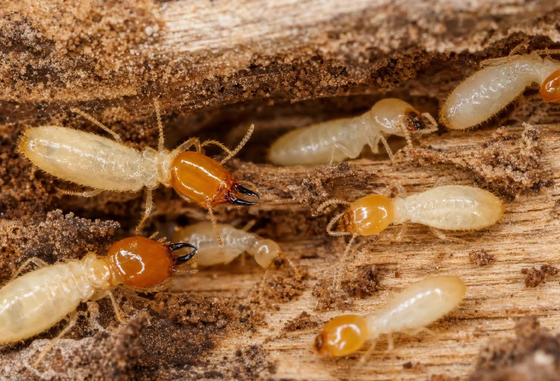
Termites are among the most destructive structural pests worldwide, causing significant damage to wooden structures, buildings, and other cellulose-based materials. Effective termite management requires suitable insecticides, proper application techniques, and an understanding of termite behavior.
Fipronil 0.05% insecticide is a low-concentration formulation containing fipronil, a broad-spectrum insecticidal active ingredient widely recognized for its effectiveness against termites and certain other insect pests.
Depending on its formulation and local registration, Fipronil 0.05% may be used in professional termite management and other specialized pest control applications.
What Is Fipronil 0.05% Insecticide?
Fipronil is a phenylpyrazole insecticide that acts on the insect nervous system. It controls susceptible insects primarily through contact and ingestion.
Fipronil 0.05% refers to a formulation containing 0.05% fipronil as the active ingredient. The remaining components consist of formulation materials that influence the product's physical properties, stability, and application characteristics.
Fipronil-based insecticides are available in several formulation types, including granules, powders, gels, baits, and liquid formulations. However, the availability of a specific 0.05% formulation depends on the manufacturer and the target market.
General Product Information
| Parameter | Description |
|---|---|
| Product Name | Fipronil 0.05% Insecticide |
| Active Ingredient | Fipronil |
| Concentration | 0.05% |
| Chemical Class | Phenylpyrazole |
| CAS Number | 120068-37-3 |
| IRAC Classification | Group 2B |
| Mode of Action | GABA-gated chloride channel blocker |
| Main Application | Termite control, subject to registration |
| Formulation | Depends on product specification |
How Does Fipronil 0.05% Work?
Fipronil interferes with the normal functioning of the insect nervous system.
Its primary mechanism involves blocking gamma-aminobutyric acid (GABA)-gated chloride channels, disrupting the regulation of nerve signals.
This interference causes abnormal nervous system activity, paralysis, and ultimately the death of susceptible insects.
Unlike insecticides that primarily act as repellents, certain fipronil formulations exhibit non-repellent characteristics against termites.
This property can be particularly valuable in termite management because termites may contact treated materials without immediately avoiding them.
Contact and Ingestion Activity
Fipronil can enter susceptible insects through direct contact with treated surfaces or through ingestion.
The relative importance of these exposure pathways depends on the insect species, formulation, and application method.
Potential Transfer Activity
Research on certain fipronil-based termite treatments has demonstrated that exposed termites can transfer insecticide residues to other termites through social interactions.
However, transfer efficiency and colony-level effects vary according to formulation, exposure conditions, termite species, and treatment strategy.
Therefore, complete termite colony elimination should not be assumed for every Fipronil 0.05% product.
Main Applications of Fipronil 0.05%
1. Termite Control
Termites are an important target of fipronil-based pest control products.
Depending on the registered formulation, fipronil may be used as part of termite management programs designed to protect buildings and wooden structures.
Professional termite management typically combines insecticide treatments with building inspections, moisture management, and ongoing monitoring.
Fipronil-based products can be useful against susceptible subterranean termites when used according to approved product directions.
2. Structural Pest Management
Some fipronil formulations are registered for controlling specific structural pests.
These applications may include targeted treatments in residential, commercial, or industrial environments.
However, not all Fipronil 0.05% products are authorized for indoor or structural use. The permitted treatment sites and target pests must be confirmed on the local product label.
3. Professional Pest Control Programs
Fipronil-based insecticides may be incorporated into integrated pest management (IPM) programs where permitted.
An effective IPM approach includes pest identification, inspection, prevention, monitoring, and appropriately selected chemical treatments.
Using insecticides as part of an integrated strategy can help pest control professionals improve treatment planning and reduce unnecessary pesticide applications.
Key Characteristics of Fipronil-Based Insecticides
Effective Against Susceptible Termites
Fipronil has demonstrated insecticidal activity against several termite species, making it an important active ingredient in termite management.
Actual performance depends on the product formulation, treatment conditions, and target species.
Contact and Oral Toxicity to Insects
Fipronil can control susceptible pests through contact and ingestion, providing different potential exposure pathways.
Non-Repellent Properties in Certain Formulations
Some fipronil termite treatment products are designed to minimize avoidance behavior, allowing termites to encounter treated areas.
This characteristic is particularly relevant to professional subterranean termite control.
Flexible Formulation Development
Fipronil can be incorporated into different formulation systems for specific pest management requirements.
The concentration, physical formulation, and intended use should be selected according to the target market's regulatory requirements.
Fipronil 0.05% vs. Higher-Concentration Fipronil Products
Fipronil is marketed in different concentrations and formulations for different purposes.
A 0.05% product may be designed for direct application in a specific use pattern, while a higher-concentration product may require dilution or specialized application equipment.
The concentration alone does not determine the effectiveness, residual activity, or suitability of an insecticide.
For example, a ready-to-use 0.05% product and a concentrated fipronil formulation may serve different treatment requirements.
Product selection should consider the registered application, target pest, formulation characteristics, and label instructions.
Safety and Environmental Considerations
Fipronil is toxic to certain non-target organisms, including aquatic invertebrates and bees.
Improper handling or application can create environmental risks, particularly when insecticide residues enter waterways or areas frequented by pollinators.
Professional users should follow the approved product label and safety data sheet (SDS).
Important precautions include:
-
Use appropriate personal protective equipment.
-
Avoid contaminating water sources and drainage systems.
-
Prevent exposure to children, pets, and non-target organisms.
-
Follow registered application methods and restrictions.
-
Store and dispose of products according to local regulations.
Fipronil regulations differ significantly between countries and regions. Buyers should verify whether the intended formulation and application are legally permitted in their destination market.
Choosing a Reliable Fipronil 0.05% Supplier
For pesticide importers, distributors, and professional pest control companies, selecting a suitable supplier involves more than comparing product prices.
Important considerations include formulation quality, product specifications, packaging compatibility, regulatory documentation, and technical support.
Buyers should request relevant product documentation, such as a Certificate of Analysis (COA), Safety Data Sheet (SDS), and technical specifications.
The supplier should also confirm the exact formulation type, active ingredient concentration, and available packaging options before an order is finalized.
Fipronil 0.05% Insecticide from AVERSTAR
AVERSTAR provides pesticide product information and supply solutions for international agricultural and pest control markets.
For customers interested in Fipronil 0.05%, it is important to confirm the required formulation, target application, destination country, packaging specifications, and regulatory requirements.
Our team can discuss product specifications and commercial requirements to help customers evaluate suitable sourcing options.
Contact AVERSTAR to inquire about Fipronil 0.05% insecticide, formulation availability, packaging requirements, and international supply opportunities.
Frequently Asked Questions (FAQ)
What is Fipronil 0.05% used for?
Fipronil 0.05% may be used for termite management and certain other pest control applications, depending on the formulation and local product registration.
Is Fipronil 0.05% effective against termites?
Fipronil is an established insecticidal active ingredient used in termite control. However, the effectiveness of a particular 0.05% product depends on its formulation, application method, termite species, and treatment conditions.
How does Fipronil kill termites?
Fipronil disrupts insect nerve signaling by blocking GABA-gated chloride channels. Susceptible termites may be exposed through contact or ingestion.
Can Fipronil 0.05% eliminate an entire termite colony?
Certain fipronil treatments can produce transfer effects among termites, but complete colony elimination is not guaranteed. Outcomes depend on exposure, termite behavior, formulation, and treatment strategy.
Is Fipronil 0.05% suitable for indoor use?
Only when the specific product is registered and labeled for the intended indoor application. A concentration of 0.05% does not automatically make a product suitable for indoor use.
Conclusion
Fipronil 0.05% insecticide is a potential option for specialized termite management and pest control applications when supported by an appropriate formulation and regulatory approval.
Its insecticidal mechanism, contact activity, and non-repellent properties in certain termite treatment formulations make fipronil an important active ingredient in professional pest management.
For pesticide importers and distributors seeking Fipronil 0.05% products, understanding formulation specifications, application requirements, and local regulations is essential.
Contact AVERSTAR for more information about Fipronil 0.05% insecticide and available supply solutions.
